How to Reduce the Risk of Allergy
More and more children seem to be developing allergies, and it’s not completely clear why. There are a few approaches that might prevent the development of allergies, especially in particularly high-risk families, where parents or brothers and sisters have allergies.
Food in Pregnancy
The food that women eat while they are pregnant, especially if they have a family history of allergies, may reduce the risk of the new baby having allergies (see ‘Can Food in Pregnancy Cause Children's Allergies?’). Avoiding certain foods should only be done with the advice of a doctor, as eating well is vital for the health of the mother and baby.Breastfeeding
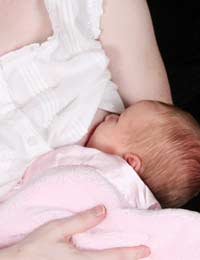
Breastfeeding can reduce the risk of children developing allergies of all types, as well as giving them all kinds of other health benefits. It’s best to just give babies breast milk for the first six months of their lives, with no other solid food or drinks. Not giving food that is associated with allergies, such as cow’s milk or peanuts, to babies under four months might reduce their chance of developing allergies. Some studies suggest that not giving solid foods until after one year could reduce the risk of allergies.Keeping It Clean…
Regular cleaning will reduce allergens (the things that cause allergies, e.g. pollen or dander from pets). Where there is a family history of allergies, this might be especially important during pregnancy and breastfeeding to reduce the risk of the new baby developing allergies. A few hints and tips include:- Vacuum carpets, mattresses, sofas and chairs regularly.
- Wash bedding, curtains and cushion covers frequently.
- Think about moving from carpets to hard floors.
- Dust regularly using a damp cloth.
- Switch from feather to polyester-filled pillows and duvets.
- Keep the house dry and well-ventilated – some people are allergic to mould spores.
- Keep pets out of bedrooms.
- Wash hands after handling pets.
...But Not Too Clean!
The ‘hygiene hypothesis’ suggests that the increased cleanliness of houses and the smaller families may be reason behind the increasing levels of allergies and asthma in children. These changes mean that children are not exposed to as many different viruses and bacteria from their brothers, sisters and the environment, and so their immune systems don’t get as much practice, and so react to harmless things like pollen.Have a Pet
There is a theory that owning a pet, such as a cat or dog, protects against children developing allergies. It might just be that families that own pets are those without histories of pet and other allergies, or that the healthier lifestyle associated with having a pet (more exercise, more exposure to sunlight and so higher levels of vitamin D) just makes people less likely to have allergies.Don’t Smoke
Smoking during pregnancy increases the risk of children developing allergies and asthma. Tobacco smoke (first- or second-hand) can make allergies and asthma worse – children who live in a house where people smoke are much more likely to develop asthma than children who live in non-smoking houses.Business Energy With a Difference
If you are looking for business energy or need advanced solutions like remote energy monitoring, new supplies, downgrading or upgrading capacity, have a no obligation chat with Purely Energy.
To find our more get in touch here. or call 0161 521 3400.


You might also like...